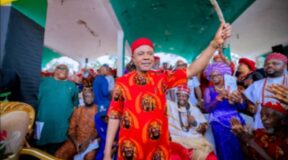
In a significant political development ahead of the 2027 general elections, the former Senator representing Kaduna Central, Shehu Sani, has concluded a strategic tour of seven Local Government Areas (LGAs) in Kaduna State, garnering widespread endorsements from party executives and grassroots stakeholders.
The tour, which lasted several days, saw the outspoken rights activist-turned-politician engage directly with ward and local government party officials, community leaders, youth groups, and women’s associations. The LGAs visited include Kaduna North, Kaduna South, Igabi, Chikun, Kajuru, Kachia, and Birnin Gwari.
At each stop, Sani held consultative meetings with party executives and broader stakeholder groups of the All Progressives Congress (APC), focusing on strategies ahead of the next electoral cycle.
During the engagements, the former lawmaker declared his support for the re-election bids of President Bola Ahmed Tinubu and Kaduna State Governor Uba Sani in 2027.
Stakeholders who spoke with journalists described the meetings as part of efforts to consolidate party unity, rebuild trust, and articulate a forward-looking agenda anchored on inclusivity and good governance.
Party leaders across the seven LGAs passed votes of confidence in Sani, citing his record in legislative advocacy, constituency development, and longstanding human rights activism. In Igabi LGA, the party chairman described him as “a bridge between the people and government,” highlighting his accessibility and consistency in addressing national issues.
Leaders in Chikun pledged to mobilise support, describing Sani as “a voice for the voiceless and defender of democratic values,” while recalling his intervention during disputes linked to the proposed demolition of the Gbagyi-Villa community by former Kaduna Governor Mallam Nasir El-Rufai.
Similar sentiments were echoed in Birnin Gwari, where community leaders commended his contributions to local development, including support for educational and healthcare infrastructure, as well as his vocal stance on insecurity.
In Kajuru, stakeholders recounted his advocacy during periods of heightened violence in the area, noting his role in amplifying the plight of affected communities.
Women’s groups at the meetings also expressed solidarity, citing empowerment programmes initiated during his tenure and his consistent advocacy for social justice and inclusion.
Addressing stakeholders, Sani reaffirmed his commitment to strengthening party cohesion and tackling key challenges such as insecurity, unemployment, infrastructural deficits, and the need for quality representation.
“We must rebuild our political structures from the grassroots. The strength of any democracy lies in its people. I am here to listen, to learn, and to work with you for a better future,” he said.
He further emphasised the importance of collective action in addressing insecurity, particularly in rural communities, while advocating policies that expand economic opportunities for young people.
Information gathered revealed that the tour reflects a deliberate effort to reconnect with the grassroots and reassert relevance in Kaduna’s evolving political landscape.
Findings also indicate that endorsements at the local government level remain critical indicators of political viability in the state, known for its complex and competitive alignments.
Although Sani is widely considered a grassroots politician, the scale of endorsements and mobilisation recorded during the tour suggests growing momentum around his potential comeback.
For now, the outcome of the visits has not only reaffirmed his political influence but also underscored the enduring importance of grassroots engagement in Nigeria’s democratic process.
About The Author