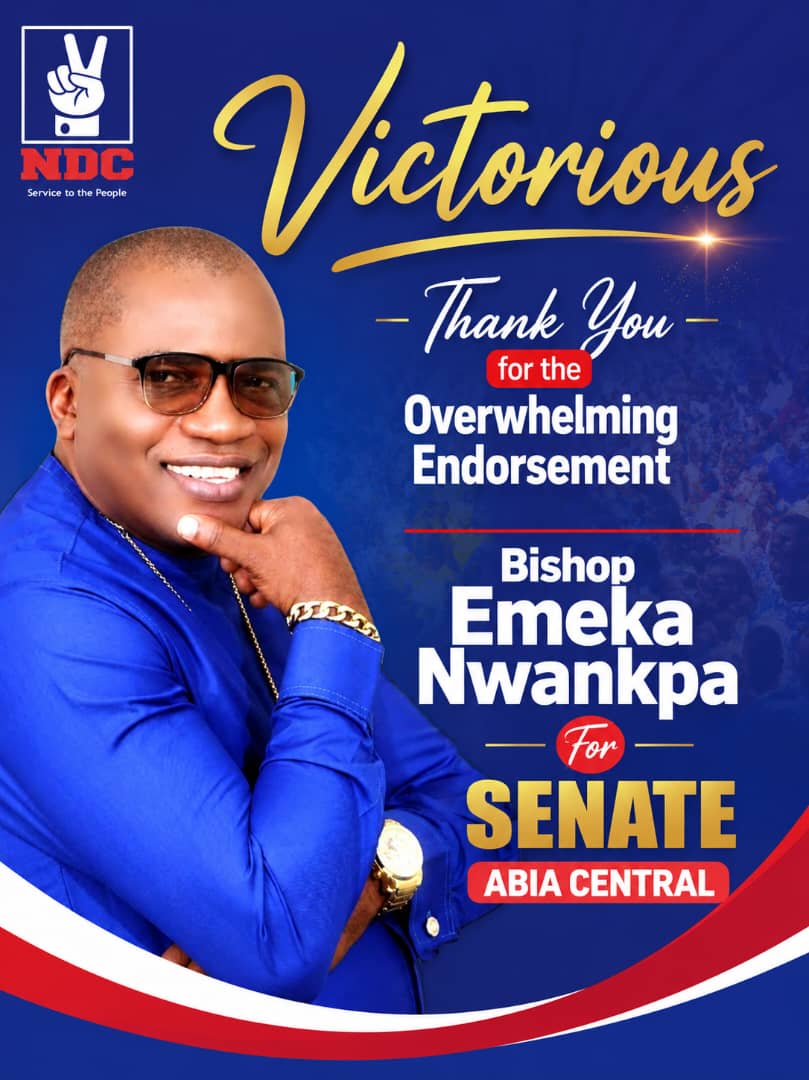
Since the arrest and arraignment of Bishop Emeka Nwankpa on the allegation that he is a ‘fake pastor’, many people have been left bewildered and asking a simple but profound question: When and how did Bishop Emeka Nwankpa suddenly become a fake pastor?
Can a man who has faithfully shepherded a congregation for more than twenty-five years suddenly wake up one morning and be branded a fake pastor?
Can a minister whose church has become a spiritual home to hundreds of worshippers, whose voice has brought hope to the discouraged, and whose ministry has transformed lives over the decades suddenly be reduced to such a label without convincing evidence?
For over twenty-five years, Bishop Emeka Nwankpa has devoted his life to preaching the Gospel through Chapel of Faith Bible Assembly International, with its headquarters at No. 4 Bishop Emeka Nwankpa Close, 3-3 Junction, Onitsha. What began as a humble fellowship of four people meeting in the parlour of a struggling widow grew, through faith, sacrifice, perseverance, and hard work, into a thriving ministry with branches and followers across different locations.
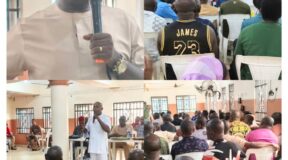
Every Sunday and throughout the week, worshippers gather in large numbers to hear the Word of God, seek spiritual guidance, and draw strength from the teachings of the church. For many families, the ministry has been a source of comfort during difficult times, a refuge during seasons of despair, and a beacon of hope in moments of uncertainty.
Throughout his years in ministry, Bishop Nwankpa has never gained notoriety for false prophecies, staged miracles, or deceptive religious practices. Those who know his ministry know him as a preacher, teacher, mentor, and servant of God. If there are allegations to the contrary, where is the evidence? Where are the documented cases? Where are the victims who can substantiate such claims? These are questions that deserve answers.
The pain felt by members of the church and those who know Bishop Nwankpa stems not only from the allegations themselves but from the apparent attempt to erase, with a single accusation, a quarter-century of dedicated service to God and humanity.
A reputation built over twenty-five years should not be casually destroyed by claims that have yet to be proven. Character, integrity, and years of public ministry cannot simply be swept aside by sensational accusations.
It is therefore difficult for many observers not to suspect that forces beyond the stated allegations may be at work. The timing and circumstances surrounding these events have inevitably raised concerns that this may be an attempt to tarnish the image of a respected clergyman for reasons that have little to do with the pursuit of justice.
Bishop Emeka Nwankpa deserves what every citizen deserves: fairness, due process, and the presumption of innocence. He deserves the opportunity to defend himself in an atmosphere free from prejudice, media trial, and political manipulation.
The question remains unanswered:
*When and how did Bishop Emeka Nwankpa suddenly become a “fake pastor” after spending more than twenty-five years openly preaching the Gospel, building a church, nurturing souls, and serving his community?*
Until convincing evidence is presented, many will continue to view the allegation not as a search for truth, but as a troubling attempt to destroy a reputation that took decades to build.
About The Author